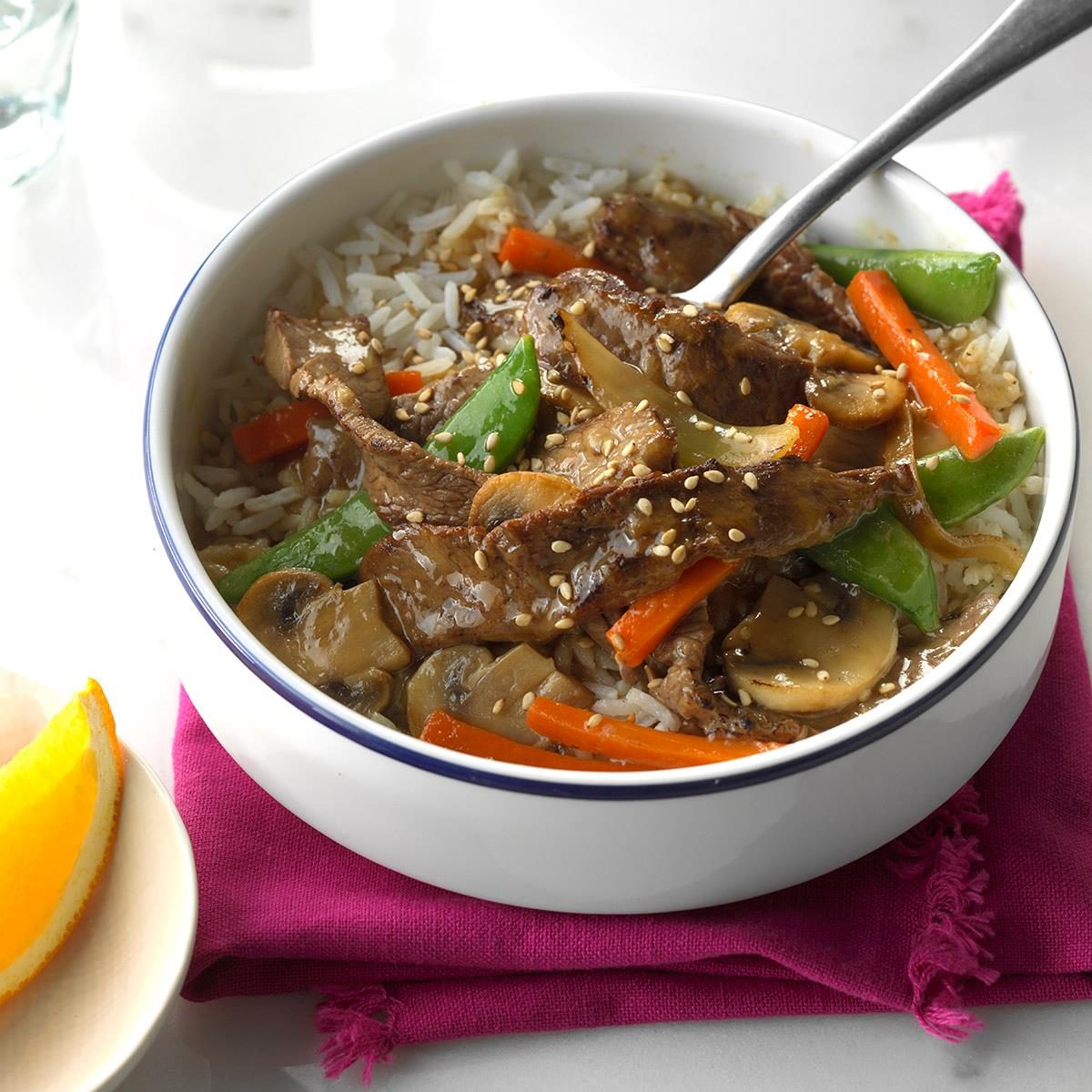
Homemade Orange Beef: Achieve Tender Meat & Zesty Sauce That Rivals Takeout
The allure of a perfectly executed orange beef stir fry is undeniable. That harmonious blend of savory beef, vibrant citrus, and a hint of ginger can transport you straight to your favorite Chinese restaurant. Yet, for many home cooks, replicating this takeout classic can feel like an insurmountable culinary challenge. You might have faced tough, chewy beef, a sauce that's either too sweet or too bland, or a coating that turns soggy before it even reaches the plate.
But what if we told you that achieving truly succulent meat and a zesty, balanced sauce, whether for a quick weeknight meal or a restaurant-quality experience, is entirely within your reach? This comprehensive guide will demystify the magic of homemade
orange beef stir fry, providing you with the techniques and insights to transform your kitchen into a haven of aromatic flavors and tender textures. Get ready to impress your family and delight your taste buds with a dish that's not just as good as takeout, but profoundly better.
The Secret to Succulent Beef: Achieving Unrivaled Tenderness
The foundation of any great orange beef dish lies in the quality and preparation of its star ingredient: the beef. Achieving that melt-in-your-mouth tenderness often seems like the biggest hurdle, but with the right approach, it's surprisingly simple.
Selecting the Right Cut for Your Orange Beef Stir Fry
While almost any lean cut of beef can work, certain options lend themselves better to stir-frying. For a quick meal, don't shy away from using leftover cooked steak, as suggested by some quick recipes. However, for optimal tenderness and flavor from scratch, consider these cuts:
- Flank Steak: A popular choice for stir-fries due to its robust flavor and fibrous texture that, when sliced correctly, becomes very tender.
- Sirloin Steak: Offers a good balance of tenderness and flavor without being overly expensive.
- Round Steak: (As mentioned in our reference) A leaner, more economical cut that benefits greatly from proper slicing and tenderizing techniques.
Regardless of your choice, aim for a cut that isn't excessively fatty, as the goal is to quickly cook the lean meat without it becoming greasy.
The Art of Slicing: Thin Strips Against the Grain
This step is arguably as important as the cut itself. To maximize tenderness:
- Partially Freeze the Beef: Place the steak in the freezer for 15-30 minutes before slicing. This firms up the meat, making it much easier to cut into thin, uniform strips.
- Slice Against the Grain: This is crucial! Identify the muscle fibers running through the meat (the "grain"). Slice perpendicular to these fibers. Slicing with the grain will result in long, chewy strands, while slicing against it shortens the fibers, making the beef incredibly tender and easy to chew.
- Aim for Uniformity: Try to keep your strips about ¼-inch thick and 1-2 inches long. Uniform pieces ensure even cooking.
Unlocking Tenderness with Velveting
For that signature silky texture often found in restaurant Chinese dishes, "velveting" is a game-changer. While one of our reference sources preferred to skip cornstarch for texture reasons, velveting is a specific technique that dramatically enhances tenderness and creates a protective coating, rather than just thickening the sauce on the meat.
What is Velveting? It's a traditional Chinese method where meat is marinated with a small amount of cornstarch, often soy sauce, and sometimes baking soda, before being quickly blanched or fried. The cornstarch forms a thin coating that protects the meat from the harsh heat of the wok, locking in moisture and resulting in a remarkably tender, almost silken texture.
How to Velvet Beef for Orange Beef Stir Fry:
- In a bowl, combine your sliced beef strips with 1 tablespoon of cornstarch, 1 tablespoon of light soy sauce, and optionally, ¼ teaspoon of baking soda (baking soda is a powerful tenderizer, but use sparingly to avoid a metallic taste).
- Toss well to ensure every piece of beef is coated.
- Let it marinate for at least 15-30 minutes, or up to an hour in the refrigerator.
This velveting step not only ensures incredible tenderness but also helps the beef brown beautifully in the hot skillet. If you prefer to skip the cornstarch coating directly on the beef, remember you can always use a cornstarch slurry to thicken the sauce later.
Crafting the Perfect Zesty Orange Sauce
The sauce is the heart and soul of
homemade orange beef, providing that signature sweet, tangy, and savory punch. A well-balanced sauce elevates the entire dish from good to extraordinary.
Balancing Sweet, Tangy, and Savory
The basic components for a classic orange beef sauce typically include orange juice, rice vinegar, soy sauce, brown sugar, and fresh ginger. The magic lies in their proportions and quality.
- Orange Juice: Freshly squeezed orange juice will always yield the best flavor. While bottled juice works in a pinch, fresh provides a brighter, more authentic citrus zing.
- Rice Vinegar: Adds a crucial tanginess that cuts through the sweetness and richness. White rice vinegar is standard.
- Soy Sauce: Use a good quality light (or "low sodium") soy sauce for savory depth without overpowering the other flavors.
- Brown Sugar: Provides sweetness and a hint of molasses depth. Adjust to your preference – some like it sweeter, others prefer more tang.
- Fresh Ginger: Minced fresh ginger is non-negotiable for that aromatic warmth and slight spice. Don't substitute with dried ginger powder; the flavor profile is entirely different.
- Optional Zest: For an extra burst of citrus aroma and intensity, add a teaspoon of fresh orange zest to your sauce mixture. It adds depth without making the sauce taste heavy.
Combine these ingredients and taste. Don't be afraid to adjust. A little more vinegar for tang, a touch more sugar for sweetness, or an extra dash of soy sauce for umami can make all the difference.
Fresh Ingredients Make All the Difference
While convenience has its place, certain ingredients truly shine when fresh. Freshly minced ginger offers a pungent, fragrant note that powdered ginger simply cannot replicate. Similarly, real orange juice, especially if you include some zest, provides a vibrant, natural citrus flavor that bottled concentrates often miss. Investing in fresh, high-quality ingredients for your sauce will pay dividends in the final flavor profile.
Mastering the Stir Fry Technique for Optimal Flavor and Texture
A successful stir fry is all about speed and heat. With your beef prepped and your sauce ready, mastering the cooking process ensures a perfectly executed dish.
Prep Like a Pro: The Power of Mise en Place
Before you even turn on the stove, embrace the concept of
mise en place – "everything in its place." Stir-frying happens fast, and you won't have time to chop vegetables or measure liquids once the heat is on.
- Have your beef sliced and marinated.
- Measure and mix your sauce ingredients.
- Chop all your vegetables (e.g., broccoli florets, red bell pepper strips, onions, mushrooms).
- Have your cooked rice or bulgur ready.
This preparation ensures a smooth, stress-free cooking experience and prevents ingredients from overcooking while you scramble for the next step.
High Heat, Small Batches: The Key to Browning
The biggest mistake people make with stir-fries is overcrowding the pan. For that beautiful browned sear (the Maillard reaction) and tender-crisp texture, you need very high heat and enough space for evaporation.
- Heat the Pan: Use a large skillet or wok and heat 1 tablespoon of canola oil (or other high smoke point oil) over high heat until it's shimmering and almost smoking. A very hot pan is essential.
- Cook Beef in Batches: Add only half of your beef strips to the hot pan in a single layer. Resist the urge to stir immediately. Let it sear for 1-2 minutes until deeply browned, then stir and cook for another 1-2 minutes until cooked through. Remove the first batch with a slotted spoon to a plate.
- Repeat: Add the remaining oil (if needed) and cook the second batch of beef similarly. Cooking in batches ensures the beef sears rather than steams, resulting in better flavor and texture.
Integrating Vegetables and Sauce
Once your beef is cooked, the rest comes together quickly.
- Steam Broccoli: As per one of our reference recipes, steaming broccoli separately until crisp-tender (about 4-6 minutes) before adding it to the stir fry ensures it's perfectly cooked without becoming mushy or undercooked. Transfer it to the plate with the beef.
- Sauté Aromatics & Peppers: Wipe out the skillet. If desired, add a little more oil and quickly sauté any additional aromatics like garlic or remaining ginger, then add bell pepper strips. Cook for 1-2 minutes until slightly softened but still crisp.
- Combine & Sauce: Return the cooked beef and steamed broccoli to the skillet. Give your prepared orange sauce a quick whisk (especially if it contains cornstarch), then pour it over everything.
- Thicken the Sauce: Continue cooking over high heat, stirring constantly, until the sauce thickens and coats the beef and vegetables, usually 2-4 minutes. If you skipped velveting the beef or want an even thicker sauce, you can add a slurry of 1 teaspoon cornstarch mixed with 1 tablespoon cold water directly to the simmering sauce at this stage.
Beyond the Basics: Customization and Serving Suggestions
The beauty of a homemade
orange beef stir fry is its versatility. Once you've mastered the core techniques, feel free to make it your own.
Experiment with Your Favorite Veggies
While broccoli and red bell peppers are classic choices, don't limit yourself. Add a variety of textures and colors to your dish:
- Onions and Mushrooms: As suggested, these are excellent additions. Sauté them after the beef but before adding the sauce.
- Snow Peas: Add a fresh, crisp element.
- Carrots: Julienne them for a touch of sweetness and color.
- Baby Corn or Water Chestnuts: For extra crunch.
- Asparagus or Green Beans: Cut into bite-sized pieces.
Always add harder vegetables earlier and softer ones later to ensure everything cooks evenly and retains a pleasant crisp-tender texture.
Perfect Pairings and Leftover Love
Serve your piping hot
orange beef stir fry immediately over a bed of fluffy white rice, brown rice, or even bulgur, as suggested by our reference. Garnish with sesame seeds or sliced green onions for an extra touch of flavor and presentation.
This dish is also fantastic for meal prepping. The flavors tend to meld even further overnight, making it a delicious and convenient lunch option the next day. It truly excels as a quick weeknight meal, minimizing cooking time while maximizing flavor. For those aiming for that ultimate crispy texture, delve into
The Ultimate Crispy Orange Beef: Better Than Takeout Guide. And if speed is your primary goal, check out our tips in
Quick Orange Beef Stir Fry: Easy Weeknight Meal for Families.
Conclusion
Creating a mouthwatering homemade
orange beef stir fry that rivals your favorite takeout is not a pipe dream. By focusing on selecting the right cut of beef, employing the tenderizing magic of velveting, meticulously balancing your zesty sauce, and mastering high-heat stir-fry techniques, you can achieve remarkable results. No more tough beef or bland sauces – just incredibly flavorful, tender meat coated in a vibrant, irresistible orange glaze. So, gather your ingredients, follow these steps, and prepare to elevate your home cooking with a dish that promises both comfort and culinary delight. Your journey to the ultimate homemade orange beef starts now!